

Features
Why Choose Juduo?
Every Process Under One Roof
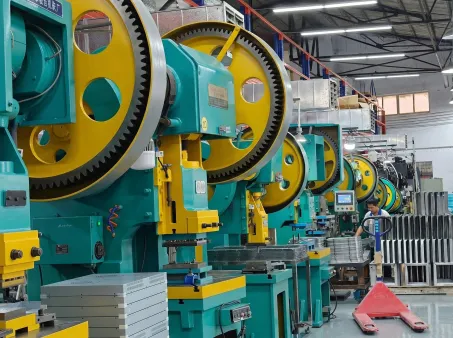
From laser cutting and CNC turret punching to stamping, bending, robotic welding, riveting, tapping and polishing, every operation runs inside our own 5,000 m² facility on more than 50 machines. Nothing leaves the building between steps, so one part number stays under one responsibility from raw sheet to finished assembly — no handovers, no gaps to argue about.
Not Every Part Needs a Die
Laser cutting and turret punching work with standard tooling, so prototypes, small batches and late design revisions carry no tooling cost at all. We propose a die only when the quantity and the geometry make it the cheaper route — and we tell you which side of that line your part sits on before you commit.
Checked at Five Points, Not at the End
Incoming material, first piece, in-process, assembly fit and pre-dispatch are each checked separately under an ISO 9001:2015 system, with stamping pass rates running at 99.8%. The reason for checking early is simple: a problem found at first piece costs one part, while the same problem found at dispatch costs the whole batch.
A Drawing, a Sample or a Photograph Is Enough to Start
Send PDF, STEP, IGS, DXF or PNG files, or send the part itself. Where no drawing exists, we design and manufacture to your requirement, then move from approved sample to small batch and repeat production. Every enquiry is answered within 24 hours.
We Have The Best Solutions for Your Business
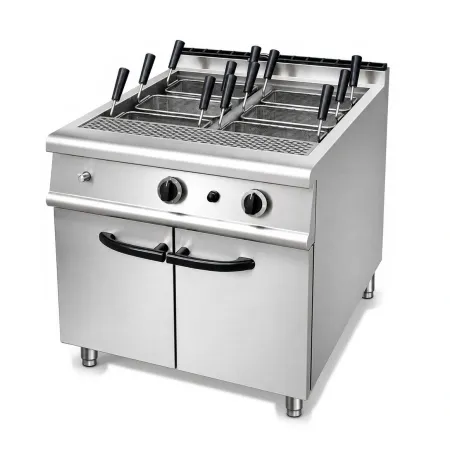
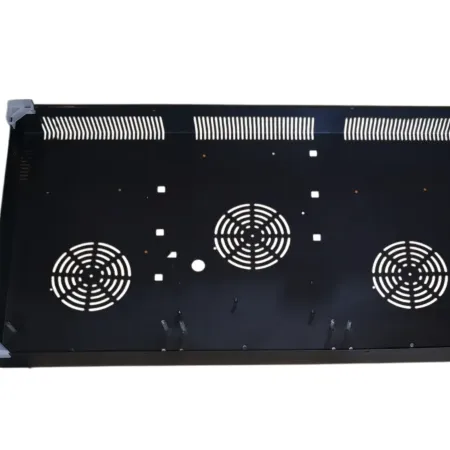
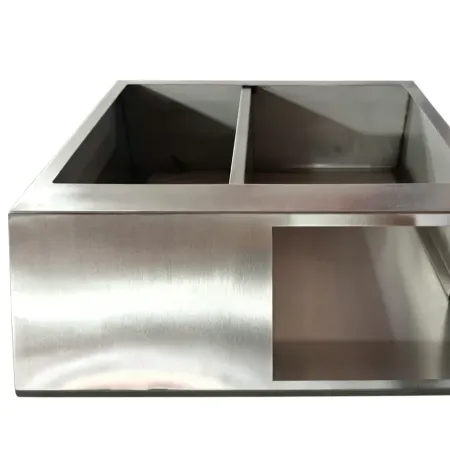
Founded in 2016, Zhongshan Juduo Hardware Products Co., Ltd. specializes in build-to-print metal stamping and sheet metal fabrication. We manufacture equipment housings, metal cabinets, structural assemblies, and stamped components according to customers’ drawings, samples, and technical requirements.
Led by a founder with more than 20 years of industry experience, our team supports tooling development, prototyping, small-batch production, and repeat orders. We work with customers to review materials, dimensions, tooling, and manufacturing requirements before production, helping balance manufacturability, quality, and cost. Surface finishing can also be coordinated through our qualified production partners.
Sheet Metal Fabrication Manufacturer: The Differences Are in Behaviour
Shortlisting sheet metal fabrication manufacturers is usually done from websites, and websites are written from the same template. Fifty machines, five thousand square metres, ISO 9001, fifteen years of experience. All of it may be true, and none of it distinguishes one supplier from the next, because a competitor can buy the same machines and print the same page. The differences that decide how a project actually goes are behavioural, and behaviour leaves traces before the first order.
Capability Lists Are Identical; Behaviour Is Not
A capability list describes what a factory can physically do. It is a snapshot of capital: press tonnage, laser power, floor area, certifications. Because capital is purchasable, capability converges. Ten years ago a 3000W laser was a differentiator; today it is table stakes.
Behaviour is different because it is a set of habits held by people. Whether a drawing is read before quoting. Whether a problem is raised or absorbed. Whether a rejected batch is investigated or argued. These habits persist across orders, and they determine the experience of working with a supplier far more than tonnage does.
There are three moments where behaviour becomes visible, and all three can be observed before a purchase order exists: what the supplier does before quoting, what they do when a part cannot be made as drawn, and what they do when something goes wrong.
Four Questions That Produce Different Answers
Abstract questions get abstract answers, so the useful ones ask for specifics that cannot be prepared in advance.
Which job went wrong in the last year, and why? A supplier who cannot name one either has not been working or will not say. The follow-up matters more than the answer: what changed afterwards, in process or in checking.
Which drawing features generate the most questions from the shop floor? The answer reveals how the shop reads drawings, and it is usually a short list — bend relief, weld symbols, finish notes, datum choices. A supplier who can list them has a review habit.
What proportion of the work is subcontracted, and which operations? Almost every fabricator sends something out, and the interesting part is whether they know which something. Surface treatment is the most common answer; the risky answers are structural welding and precision cutting.
What happens if the first article fails? The answer should describe a sequence — containment, cause, correction, re-approval — rather than a promise that it will not happen.
What the Shop Does With a Drawing It Cannot Make
Three responses are common when a drawing asks for something the process cannot deliver, and they are not equally good.
Build it anyway. The shop follows the drawing literally, the part is out of tolerance in a way that only shows up in assembly, and the discussion afterwards is about who is responsible. Technically the supplier did the job. Commercially it is a failure for both sides.
Adjust it quietly. The shop changes a radius or moves a hole to make the part buildable and ships something that looks right. This is the most dangerous response, because the first article may pass and the difference only appears when the customer tries to fit it. A silent improvement is still a silent change.
Raise it and wait. The shop describes the constraint, proposes one or two alternatives, states the consequence of each, and holds the part until the customer decides. This costs a day and is the only response that leaves the definition under the customer's control.
The third behaviour is what a buyer is really shopping for, and it is visible in the first technical reply to a drawing. If that reply contains questions and a mark-up, the habit exists. If it contains only a price, it may not.
Rework, Scrap and Who Absorbs the Cost
Every fabrication relationship produces scrap eventually. What matters is whether the attribution of that scrap is a process or an argument.
The workable framework separates four causes. A drawing that was ambiguous, where the assumption made was reasonable and recorded. A process that did not hold what it should have. Damage in handling or transport. And an inspection that let a defect through. Each cause has a natural owner, and the record — first article, in-process check, packing check — is what assigns it without a debate about memory.
A supplier who absorbs every cost without investigation is not necessarily generous; they may be pricing the risk into every order, which the customer pays for either way. What a buyer should look for is not a promise of free replacement but a description of how a failure is contained, corrected and prevented from repeating.
The Subcontracting Question Nobody Asks
Most fabricators subcontract something, and most buyers never ask what. The omission is understandable — the question feels like an accusation — and it leaves three risks unexamined.
Schedule. A subcontracted operation adds a queue that the main supplier does not control but does promise. When the schedule slips, the explanation arrives after the delivery date, not before it.
Responsibility. A defect introduced by a subcontractor is still the main supplier's defect as far as the customer is concerned, but the investigation now involves a third party who may not share records.
Definition. Some operations change the part in ways that affect the drawing: heat treatment moves dimensions, plating adds thickness to holes, welding fixtures are made by someone else. Each is a place where the tolerance chain passes through a company the buyer has never spoken to.
The question is worth asking plainly, and a good answer names the operations, the suppliers and the inspection that happens on return. The manufacturer's own account of its process is the place where that information should already exist.
Visiting, or the Substitute for Visiting
A visit is still the fastest way to understand a factory, and it is worth knowing what to look at when you are there. Not the machines — they will be the best ones. Look at the work in progress, because it shows whether parts are organised by job or drifting between benches. Look at the inspection area, and whether measuring equipment is in use or in a cupboard. Look at the rework bench, if there is one, and whether it is organised. Look at what is waiting to ship, because that is where quality problems become visible as a pile.
When a visit is impossible, the substitutes are a video walk-through of the specific job, a small trial order, and a third-party inspection before packing. None of them replaces a visit entirely, but together they test process rather than brochure.
It also helps to ask for the quality system rather than the certificate. Quality management certified to ISO 9001:2015 describes a framework; what a buyer wants to know is which inspection points exist on their part and who signs the record.
Conclusion
Choosing a sheet metal fabrication manufacturer on capability is choosing on the one dimension where everyone is equal. The dimension that varies is behaviour: whether the drawing is read, whether the constraint is raised, and whether the record exists when a question is asked two years later.
All three can be observed before the first order, and none of them requires a site visit. A technical reply with questions in it, a specific answer about a past problem, and a named list of subcontracted operations tell a buyer more than a page of tonnage ever will.
Frequently Asked Questions
What is the difference between a manufacturer and a trading company?
A manufacturer owns the equipment and the process records; a trading company coordinates suppliers. The practical difference appears when a technical question is raised: a manufacturer answers from the shop floor, while a trader relays. It also appears in the response to a change request, which a trader has to re-quote through someone else.
Can I see a sample of a similar part you have made?
Where a comparable part exists and the customer permits it, yes — usually as a photograph with dimensions removed rather than a physical sample, because parts belong to the customers who commissioned them. What can always be shared is a first-article report from a similar process, which shows the measurement approach without revealing the product.
How do you price a job you have never made?
From the drawing: cut length, feature count, number of bends, weld length, finishing area, material mass and the inspection the part requires. Experience sets the allowances between those quantities and the time they take. Where a feature is unfamiliar, the quotation says so rather than absorbing the uncertainty silently.
Do you work with small customers?
Yes. Prototype and small-batch work uses laser cutting and press-brake forming, which need no tooling, so a single part is a normal order rather than a special case. The main difference from a large order is that setup dominates the price, which is worth knowing before comparing per-unit costs across quantities.
Ask the four questions before the first order
Ask Us the Four QuestionsPDF, STEP, IGS, DXF or PNG | Drawings reviewed with questions attached | Feedback within 24 hours
User Reviews
What users say about Juduo
Frequently Asked Question
Do you have any question?
Ask for a specific example rather than a policy. Which job went wrong in the last year, what caused it, and what changed afterwards. Which drawing features generate the most questions from the shop floor. What percentage of work is subcontracted and for which operations. How a rejected batch is handled and who pays for the replacement. Specific answers are hard to prepare in advance, which is what makes them informative.
Yes, and it is better said at quotation than discovered later. Saying no can mean declining the part entirely, or it can mean quoting it with a note that the geometry will need a change, an extra operation or a different process. The second is usually more useful to a buyer than a refusal, because it shows the constraint rather than hiding it behind a price.
It is raised before production, with the reason and, where possible, two alternatives: a change that preserves the function, and a change that preserves the appearance. The decision stays with the customer, and it is recorded so that the approved version is what the part is inspected against. What we do not do is adjust the geometry quietly to make it easier to build.
By establishing the facts first: what failed, how it was measured, which batch and which drawing revision. If the cause is ours, the affected parts are replaced or credited. If the failure is a difference in measurement method or an unstated requirement, that is resolved as a definition question rather than a defect claim. Either way, the record decides, not the first message.
Our updates and blog posts
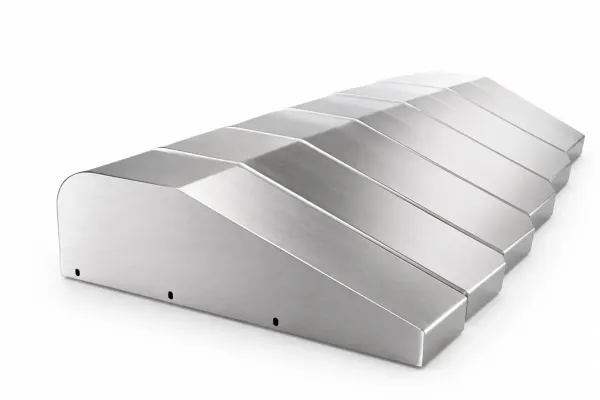
Aluminum Sheet Metal Parts: What Changes When the Drawing Says Aluminum
Aluminum sheet metal parts need a different bend radius, weld preparation, handling rule and finishing route. What to specify before you send the drawing.
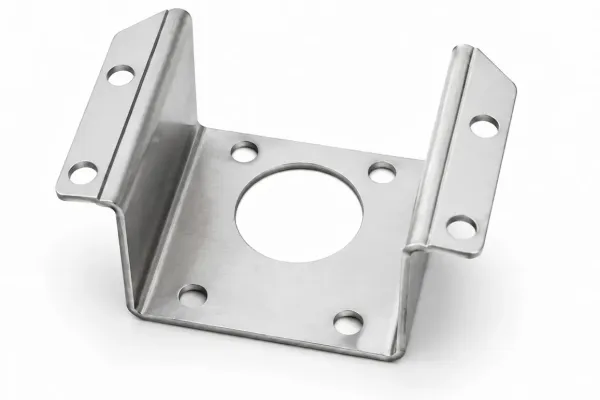
How Sheet Metal Lead Times Are Built, and Where the Days Go
Sheet metal fabrication lead time is a chain of material, queues, finishing and inspection decisions. Where the days go, and what buyers can control.
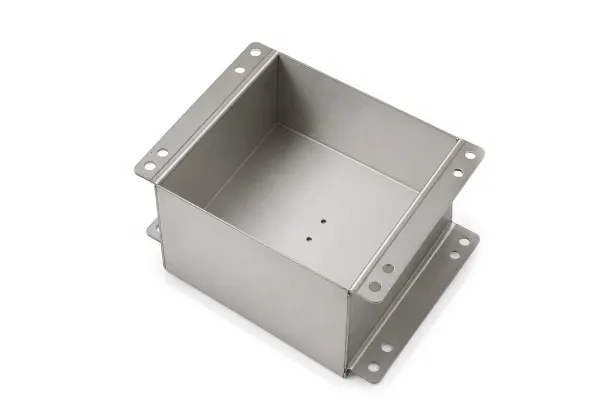
How to Choose Sheet Metal Material: Five Options and the Questions That Separate Them
How to choose sheet metal material depends on environment, process and finish, not strength. Compare stainless, carbon, galvanized, cold-rolled and aluminum.